
In the early days of personal computing, installing a driver for a new piece of hardware was often a gamble. Would the system crash? Would the device work at all? Would conflicting drivers cause the infamous Blue Screen of Death? Microsoft recognized this problem and created the Windows Hardware Quality Labs (WHQL) certification program to bring order to the chaos.
The file whql-v2832-winme9x-exe represents a piece of computing history—a WHQL-certified driver for Windows Millennium Edition (ME) and Windows 9x systems. While these operating systems are now decades old, millions of legacy computers still run them in industrial settings, museums, and enthusiast collections. This guide explores everything you need to know about WHQL drivers, legacy Windows systems, and how to manage drivers for older hardware.
What Is WHQL Certification?
WHQL (Windows Hardware Quality Labs) is Microsoft’s hardware certification program. When a driver or device receives WHQL certification, it means Microsoft has tested the driver for compatibility, stability, and security with specific versions of Windows.
What WHQL Certification Means
| Aspect | What It Guarantees |
|---|---|
| Compatibility | The driver works correctly with Windows |
| Stability | The driver does not cause system crashes |
| Security | The driver does not contain malicious code |
| Performance | The driver meets Microsoft’s performance standards |
| Installation | The driver installs cleanly without conflicts |
Why WHQL Matters
In the Windows 9x and ME era (1995-2000), driver quality varied wildly. A poorly written driver could:
- Cause system crashes (Blue Screen of Death)
- Corrupt data
- Conflict with other hardware
- Slow down the entire computer
- Prevent the system from booting
WHQL certification provided a seal of approval that a driver was safe to install. For users, it meant peace of mind. For hardware manufacturers, it demonstrated commitment to quality.
Windows ME and Windows 9x: A Brief History
Windows 95 (1995)
The operating system that started it all. Windows 95 introduced the Start menu, taskbar, and Plug and Play hardware detection. It was a massive leap forward from Windows 3.1, but driver support was inconsistent.
Windows 98 (1998)
Windows 98 refined the Windows 95 experience with better USB support, improved hardware detection, and the Active Desktop. It became the standard for home and business computers for several years.
Windows Millennium Edition (ME) – 2000
Windows ME was the final version of the Windows 9x family. It was designed for home users and featured:
| Feature | Description |
|---|---|
| System Restore | Roll back system changes after problematic installations |
| Windows Movie Maker | Basic video editing |
| Windows Image Acquisition | Improved scanner and camera support |
| Automatic Updates | Background download of critical patches |
However, Windows ME gained a reputation for being less stable than Windows 98 SE, which is why many users stuck with the older version.
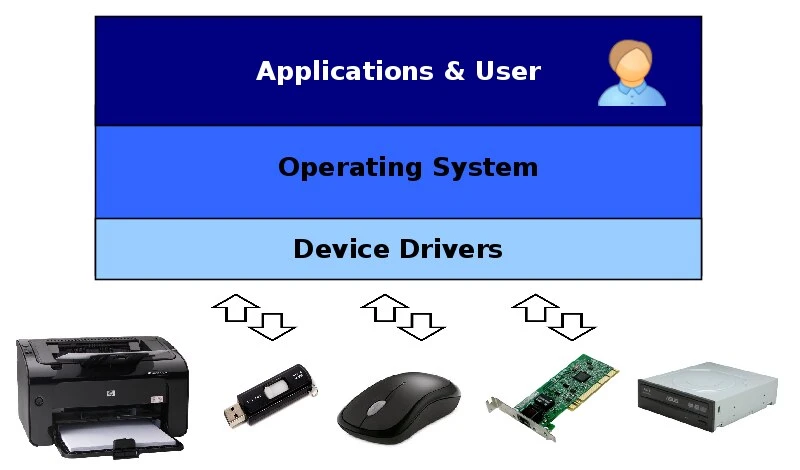
The Driver Challenge
All these operating systems shared a common challenge: they relied on a 32-bit driver model (VxD and WDM drivers) that was less robust than the driver frameworks in later Windows versions (Windows 2000, XP, and beyond). A single faulty driver could bring down the entire system
.
What Is the WHQL v2832 Driver?
Based on the filename whql-v2832-winme9x-exe, this is likely a WHQL-certified driver package for Windows ME and Windows 9x systems. Let’s break down what each part means:
| Part | Meaning |
|---|---|
| WHQL | Windows Hardware Quality Labs certified |
| v2832 | Version number 2832 (likely a display driver, chipset driver, or network driver) |
| winme9x | Compatible with Windows ME and Windows 9x (95/98) |
| exe | Executable installer (self-extracting archive) |
Possible Device Types for v2832
Version number 2832 suggests this could be:
| Device Type | Likelihood | Reason |
|---|---|---|
| Graphics Driver (NVIDIA/ATI) | High | 28xx series numbers common for GPU drivers |
| Chipset Driver (Intel/VIA/SiS) | Medium | Chipset drivers often had version numbers in the 2000-3000 range |
| Network Driver | Low | Usually had different numbering schemes |
| Sound Card Driver | Low | Sound drivers typically had lower version numbers |
Who Would Use This Driver Today
While Windows ME and 9x are obsolete for general use, they still run on:
- Industrial control systems – Factories and manufacturing plants often have computers running legacy software that only works on Windows 98/ME
- Point-of-sale systems – Older cash registers and inventory systems
- Medical equipment – Diagnostic machines with embedded Windows 9x
- Museum displays – Interactive exhibits running classic software
- Gaming enthusiasts – Retro gamers building period-appropriate Windows 98/ME gaming PCs
- Collectors – People preserving computing history
How to Install Legacy Drivers on Windows ME/9x
Installing drivers on Windows 9x and ME is different from modern Windows versions. Here is a step-by-step guide.
Method 1: Using the Executable Installer
If the driver comes as an .exe file (like whql-v2832-winme9x-exe):
- Download the file (transfer via USB or CD-R)
- Double-click the .exe to run the installer
- Follow the on-screen instructions
- Restart your computer when prompted
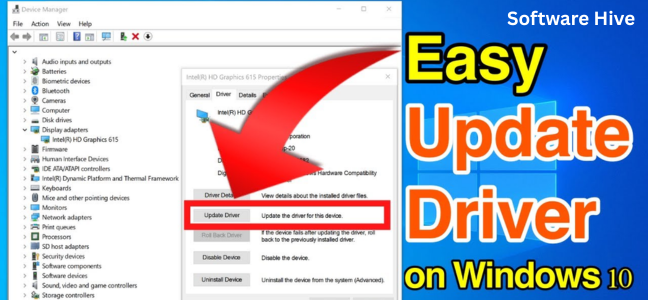
Method 2: Manual Driver Installation via Device Manager
- Right-click My Computer and select Properties
- Click the Device Manager tab
- Find the device with a yellow exclamation mark (unknown device)
- Select Update Driver or Properties > Driver > Update Driver
- Point Windows to the folder containing the driver files (usually after extracting the .exe)
- Follow the wizard to complete installation
Method 3: Using the Add New Hardware Wizard
- Open Control Panel > Add New Hardware
- Let Windows search for Plug and Play devices
- If not found, select “No, the device isn’t in the list”
- Choose “I want to select the hardware from a list”
- Click Have Disk and browse to the driver folder
Important Notes for Windows 9x/ME
| Consideration | Detail |
|---|---|
| USB Transfer | Windows 98/ME may not recognize large USB drives (>2GB) |
| CD-ROM Required | Burning a CD is often easier than USB |
| Driver Signing | WHQL certification means no “unsigned driver” warnings |
| System Restore (ME only) | Create a restore point before installing new drivers |
| Safe Mode | Boot to Safe Mode (F8 during startup) if a driver causes problems |
Modern Alternatives for Legacy Hardware
If you are maintaining a Windows 98/ME system but cannot find working drivers, consider these alternatives:
1. Windows 98 SE Unofficial Service Packs
Community-driven projects have created “unofficial service packs” for Windows 98 SE that include:
- Updated USB drivers
- Large disk support (48-bit LBA)
- Many critical patches
- Some WHQL-certified drivers
2. Linux Distributions for Old Hardware
| Distribution | Best For |
|---|---|
| Puppy Linux | Extremely lightweight, runs on very old hardware |
| AntiX | Designed for old computers |
| Tiny Core Linux | Minimal footprint (under 20MB) |
| Damn Small Linux | For 486/586 systems |
3. Virtualization
Instead of running Windows 9x on bare metal, consider emulation:
| Software | Best For |
|---|---|
| PCem | Accurate emulation of 486/Pentium hardware |
| 86Box | Highly accurate for Windows 9x gaming |
| VirtualBox | Easier setup, but less compatible with drivers |
| VMware | Good for business applications |
Virtualization allows you to run Windows 98/ME on modern hardware while using virtual drivers (which work perfectly with WHQL-certified drivers).
Finding Legacy Drivers Today
Finding drivers for Windows 9x and ME can be challenging. Here are the best sources:
Official Sources (Limited)
| Source | Availability |
|---|---|
| Microsoft Update Catalog | Some legacy drivers still archived |
| Manufacturer Websites | Usually removed; try Wayback Machine |
| CNET Download (Internet Archive) | Some listings preserved |
Community Archives
| Resource | Description |
|---|---|
| VOGONS (Very Old Games on New Systems) | Active forum with driver archives |
| Archive.org | Many driver CDs preserved |
| DriverGuide.com | Legacy driver repository |
| Reddit r/windows98 | Active community |
Driver CDs
If you have original driver CDs from hardware manufacturers (e.g., NVIDIA, Creative Labs, ASUS), these remain the most reliable source.
Common Issues and Troubleshooting
Issue 1: “This driver is not digitally signed”
WHQL-certified drivers should not show this error. If you see it:
- Verify you downloaded the correct WHQL version
- Check that your Windows version matches (98 vs ME)
- Some WHQL drivers lost signatures over time due to expired certificates
Issue 2: Windows ME crashes after driver installation
- Restart in Safe Mode (F8 during boot)
- Roll back the driver in Device Manager
- Use System Restore (if you created a restore point)
- Uninstall the problematic driver
Issue 3: “File not found” during installation
Some driver installers require files from the original Windows CD:
- Keep your Windows 98/ME CD in the drive
- Point the installer to
C:\Windows\Options\Cabsif files were pre-installed
Issue 4: Device still shows a yellow exclamation mark
The driver may not be WHQL-certified for your specific device revision:
- Check the device’s Hardware ID (in Device Manager > Properties > Details)
- Search for drivers using that Hardware ID
Frequently Asked Questions (FAQs)
1. What is WHQL certification and why does it matter?
WHQL (Windows Hardware Quality Labs) certification means Microsoft has tested a driver for compatibility, stability, and security with Windows. It matters because WHQL-certified drivers are less likely to cause system crashes, conflicts, or data corruption.
2. Is Windows ME still usable in 2026?
For general internet use, no. Windows ME lacks modern security features and cannot run current browsers. However, it remains usable for:
- Running legacy industrial or medical software
- Retro gaming (games from 1995-2000)
- Hardware testing and restoration
- Educational/historical purposes
3. How can I tell if a driver is WHQL-certified?
On Windows 98/ME, during installation, you will see a message “The driver has not been digitally signed” for non-WHQL drivers. WHQL-certified drivers do not show this warning. The file name may also include “WHQL” as seen in whql-v2832-winme9x-exe.
4. Can I install Windows ME drivers on Windows 98?
Most drivers labeled “winme9x” work on both Windows ME and Windows 98 Second Edition. However, some Windows ME-specific drivers (like those for System Restore) will not work on Windows 98. Check the driver documentation.
5. Where can I find WHQL-certified drivers for old hardware?
The best sources are:
- Original driver CDs (most reliable)
- Manufacturer websites (via Internet Archive’s Wayback Machine)
- Community archives (VOGONS, DriverGuide.com)
- CNET Download (some legacy listings are archived)
6. Why do I need WHQL drivers for Windows 98/ME?
Non-WHQL drivers were a major cause of system instability in Windows 9x. The operating system lacked the protected memory and driver isolation of Windows NT/2000/XP, so a bad driver could corrupt the entire system. WHQL drivers were tested to prevent this.
7. What hardware commonly needs WHQL v2832 drivers?
Based on the version number (2832), this driver is likely for:
- Graphics cards (NVIDIA or ATI/AMD from the late 1990s)
- Possibly VIA or Intel chipset drivers
- Some network or storage controllers
Without the original documentation, it is impossible to know exactly.
8. Can I use this driver on Windows 95?
The “winme9x” in the filename typically indicates Windows ME and Windows 9x (98). Windows 95 uses a different driver model (VxD only). It may or may not work on Windows 95. Check the documentation.
9. How do I transfer drivers to a Windows 98/ME computer without USB?
Methods include:
- Burning a CD-R (most reliable)
- Using a USB drive with legacy support (if BIOS/USB drivers installed)
- Network transfer (if networking works)
- Floppy disks (for small drivers)
- Zip drives or LS-120 drives
10. Is there a modern replacement for Windows 98/ME drivers?
For hardware that has modern drivers (e.g., using the device on newer Windows), install Windows XP or Windows 10 if the hardware supports it. For legacy hardware that never received modern drivers, virtualization (PCem, 86Box) is the best solution.
11. What does the “v2832” version number indicate?
Version numbers are assigned by the driver developer. The 2832 likely indicates this was the 2832nd build or version of that specific driver. Higher numbers generally mean newer versions with more bug fixes and features.
12. Can I extract the driver files from the .exe without installing?
Many WHQL driver executables can be extracted using:
- WinRAR or 7-Zip (right-click > Extract)
- Running the .exe with a
-extractcommand line switch - Running the .exe in a temporary location and canceling before installation completes
Extracted files can then be manually installed through Device Manager.
13. Why does CNET Download not show the page anymore?
CNET Download has removed many legacy software listings, especially for operating systems no longer supported by Microsoft. The page may be available via the Internet Archive’s Wayback Machine at web.archive.org.
14. What is the difference between Windows 98 and Windows 98 SE?
Windows 98 Second Edition (SE) was a major update released in 1999. It included:
- Better USB support
- Internet Connection Sharing
- Improved WDM driver support
- Many bug fixes
Most WHQL-certified drivers specify compatibility with Windows 98 SE (not the original 98).
15. Is it safe to connect Windows ME to the internet today?
No. Windows ME has unpatched security vulnerabilities that make it extremely dangerous to connect to the modern internet. Use it offline only, behind a hardware firewall, or in a virtual machine with no network access.
Conclusion: Preserving Computing History
The file whql-v2832-winme9x-exe represents a small piece of computing history. It is a WHQL-certified driver for operating systems that, while obsolete, still power critical industrial systems and delight retro computing enthusiasts.
WHQL certification mattered in the Windows 9x era because the operating system lacked the stability safeguards of modern Windows. A non-WHQL driver could crash your system, corrupt your data, or prevent booting. The WHQL program gave users confidence that their hardware would work reliably.
Whether you are maintaining a legacy industrial system, building a retro gaming PC, or preserving computing history, understanding WHQL drivers and Windows 9x architecture is essential. The driver may be decades old, but the principles of stable, certified drivers remain relevant today.
Remember: Always verify driver compatibility before installation. Create backups. Use System Restore (Windows ME) or Safe Mode boot options. And enjoy the nostalgia of a system that, despite its quirks, helped bring computing to the masses.